
Are you struggling to choose the right Low-Noise Block Downconverter1? Picking the wrong one can lead to poor signals, wasted money, and an overly complex system. Let's clarify your choice.
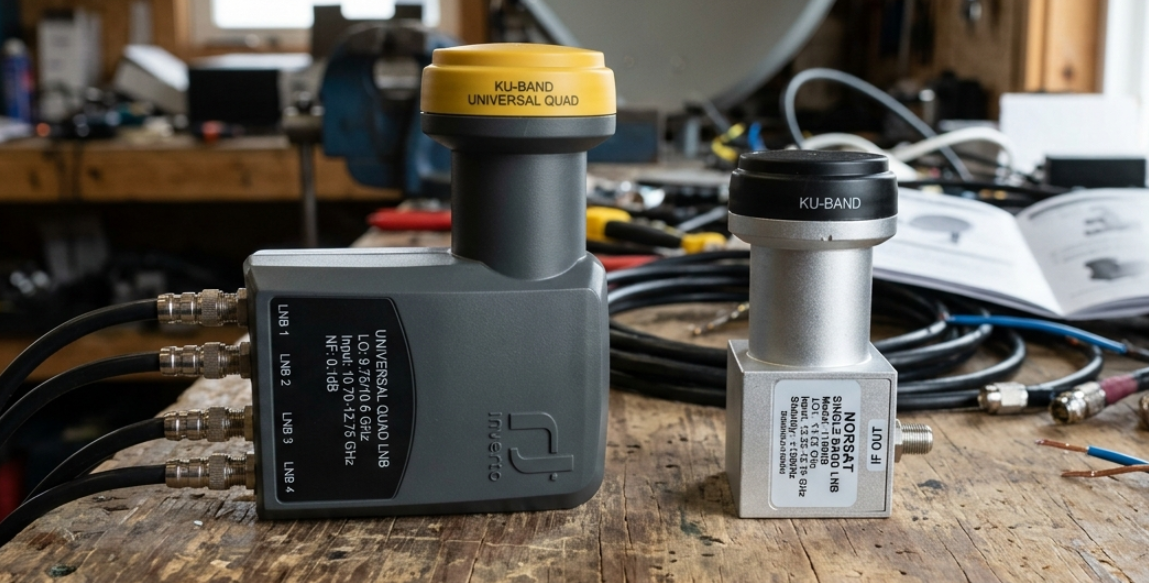
The two main types of LNB are Universal LNBs2, which switch between multiple frequency bands and polarizations, and Single-Band LNBs3, designed for a specific frequency range. Your choice depends entirely on your specific satellite reception needs, not on which one has more features.
| Feature | Universal LNB | Single-Band LNB |
|---|---|---|
| Primary Use | Residential DTH (Direct-To-Home) | Commercial / VSAT / Data Feeds |
| Frekwinsjebereik | Full Ku-Band (10.7 - 12.75 GHz) | Fixed Range (e.g., 11.7 - 12.2 GHz) |
| Switching Method | 13/18V (Polarity) + 22kHz (Band) | No Switching (Fixed Output) |
| Signal Segments | 4 States (LH, LV, HH, HV) | Single Fixed Segment |
| Local Oscillator | Dual LO (9.75 / 10.6 GHz) | Single Fixed LO (e.g., 10.75 GHz) |
| Compatibility | Standard Consumer Receivers | Professional Multiswitches / Modems |
| Stability | Standard | High Precision / Low Drift |
You now know the basic types, but that is just the beginning. The real challenge is knowing when to choose one over the other, a decision that can make or break your project's budget and performance. Let's dive deeper into what really matters for your application.
Is a Universal LNB Always the Better Choice?
Do you think more features always mean better performance? This common assumption can lead to expensive mistakes and systems that fail to deliver where it counts the most. Let's talk about why "more" is not always better.
No, a Universal LNB is not always the better choice. Its versatility is great for home TV, but this complexity can compromise noise figure4 en signal stability5. For professional applications, a dedicated Single-Band LNB almost always provides superior, more reliable performance.
Let me tell you a story. Years ago, I worked in the aerospace sector. My boss was what you might call a "performance chaser." He wanted every single metric on his project to look better than his rivals' projects. So, when we discussed the LNB for a new system, he declared, "I want to receive all the frequency bands!" He told us engineers not to worry about what the signals were for. He just wanted the option. As a result, we designed an incredibly complex and expensive "ultra-wideband receiver" that covered nearly the entire 2-18 GHz spectrum. We used innovative techniques to ensure a great signal-to-noise ratio in every band. But we still lost the bid. Our system cost twice as much as our competitor's and performed slightly worse on the specific band the client actually needed. The lesson was clear: focus on solving the real problem. The best LNB is the one that does the job you need, not the one with the longest feature list.
How Do Single-Band LNBs Offer Superior Performance?
Are you dealing with weak signals or strange interference in your system? Your all-in-one component might be the problem because it is trying to do too many things at once. Let's see how specialization can improve your signal quality.
Single-Band LNBs3 excel because they are optimized for one narrow frequency range. This focused design allows for a lower noise figure4, better signal filtering, and greater stability. This results in a cleaner, more reliable signal for mission-critical applications6.
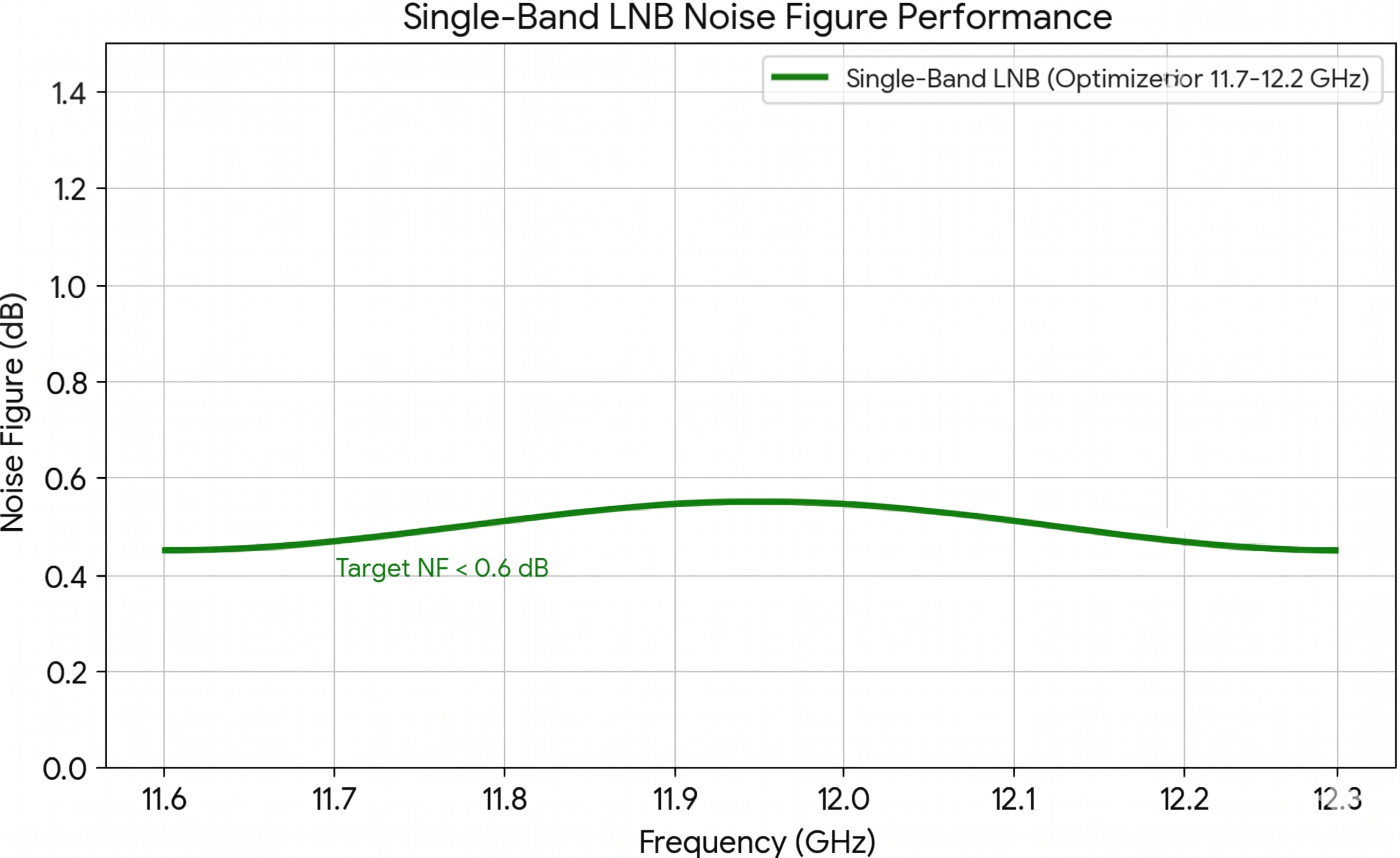
The superior performance of a Single-Band LNB comes down to focused engineering. When you design for a narrow band, every component can be tuned to perfection.
Optimized Noise Figure
The amplifier inside the LNB can be optimized for a small frequency window. This allows it to achieve a much lower noise figure4 (NF) than a wideband amplifier that must perform across many octaves. At Safari Microwave, we see this in our own designs, where our specialized LNAs can achieve an NF as low as 0.5 dB up to 110GHz. This level of performance is impossible in a universal device.
Superior Filtering and Isolation
A Single-Band LNB has simpler and more effective filters. These filters are designed to reject any signals outside of the desired band. This is critical for preventing strong, nearby signals from interfering with your weak satellite signal. This was the exact problem in my story, where powerful S-band signals were leaking into the higher-frequency bands.
| Feature | Single-Band LNB | Universal LNB |
|---|---|---|
| Lûdssifer | Very Low (Optimized) | Good (Compromise) |
| Signal Stability | Excellent | Good, but can vary |
| Interference Rej. | Heech | Matige |
| Tapassing | Professional, Mission-Critical | cURL Too many subrequests by single Worker invocation. To configure this limit, refer to https://developers.cloudflare.com/workers/wrangler/configuration/#limits |
cURL Too many subrequests by single Worker invocation. To configure this limit, refer to https://developers.cloudflare.com/workers/wrangler/configuration/#limits
cURL Too many subrequests by single Worker invocation. To configure this limit, refer to https://developers.cloudflare.com/workers/wrangler/configuration/#limits.
cURL Too many subrequests by single Worker invocation. To configure this limit, refer to https://developers.cloudflare.com/workers/wrangler/configuration/#limits cURL Too many subrequests by single Worker invocation. To configure this limit, refer to https://developers.cloudflare.com/workers/wrangler/configuration/#limits7 (crucial for data integrity). Also, always check the frequency range and stability to ensure they match your system's precise requirements.
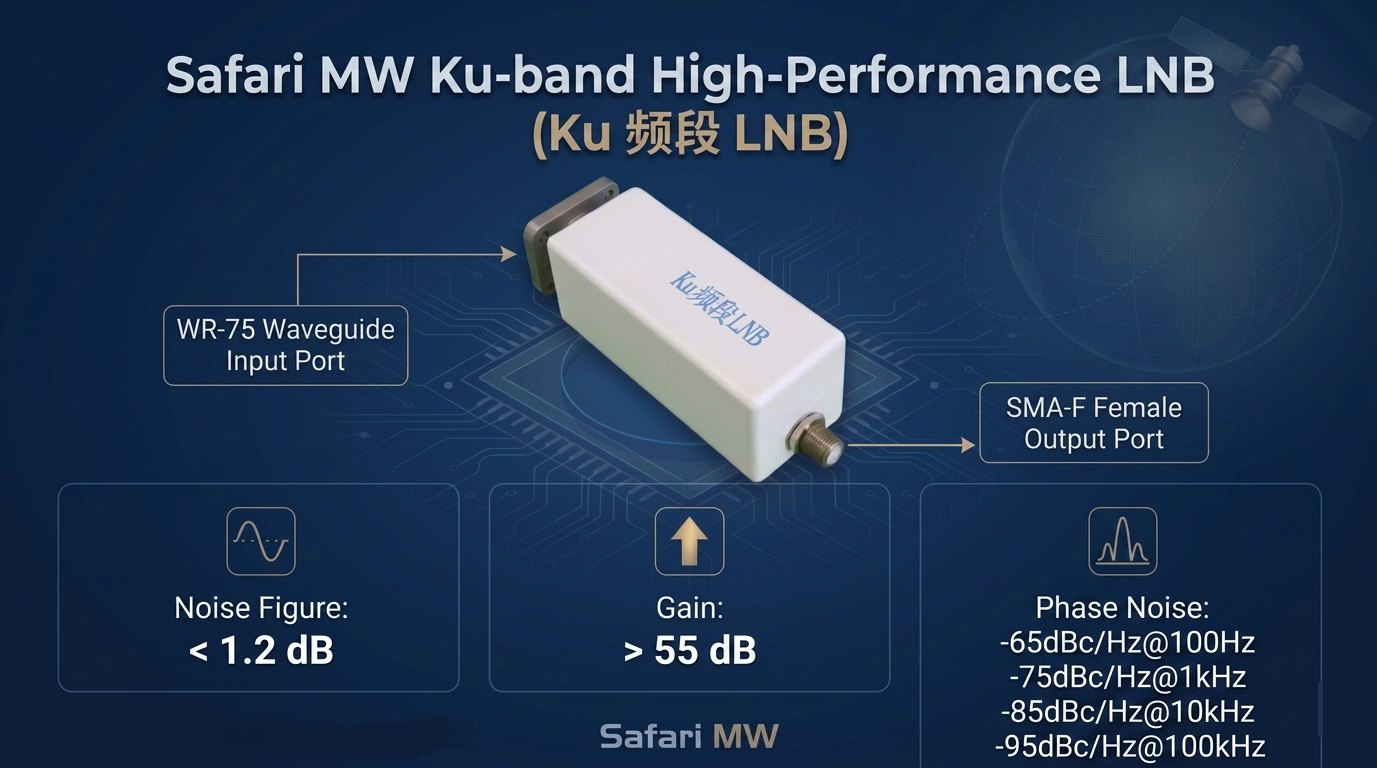
cURL Too many subrequests by single Worker invocation. To configure this limit, refer to https://developers.cloudflare.com/workers/wrangler/configuration/#limits.
Lûdfiguêr (NF)
cURL Too many subrequests by single Worker invocation. To configure this limit, refer to https://developers.cloudflare.com/workers/wrangler/configuration/#limits.
Ferheging
cURL Too many subrequests by single Worker invocation. To configure this limit, refer to https://developers.cloudflare.com/workers/wrangler/configuration/#limits.
cURL Too many subrequests by single Worker invocation. To configure this limit, refer to https://developers.cloudflare.com/workers/wrangler/configuration/#limits
cURL Too many subrequests by single Worker invocation. To configure this limit, refer to https://developers.cloudflare.com/workers/wrangler/configuration/#limits.
Konklúzje
cURL Too many subrequests by single Worker invocation. To configure this limit, refer to https://developers.cloudflare.com/workers/wrangler/configuration/#limits.
cURL Too many subrequests by single Worker invocation. To configure this limit, refer to https://developers.cloudflare.com/workers/wrangler/configuration/#limits. ↩
cURL Too many subrequests by single Worker invocation. To configure this limit, refer to https://developers.cloudflare.com/workers/wrangler/configuration/#limits. ↩
cURL Too many subrequests by single Worker invocation. To configure this limit, refer to https://developers.cloudflare.com/workers/wrangler/configuration/#limits. ↩
cURL Too many subrequests by single Worker invocation. To configure this limit, refer to https://developers.cloudflare.com/workers/wrangler/configuration/#limits. ↩
cURL Too many subrequests by single Worker invocation. To configure this limit, refer to https://developers.cloudflare.com/workers/wrangler/configuration/#limits. ↩
cURL Too many subrequests by single Worker invocation. To configure this limit, refer to https://developers.cloudflare.com/workers/wrangler/configuration/#limits. ↩
cURL Too many subrequests by single Worker invocation. To configure this limit, refer to https://developers.cloudflare.com/workers/wrangler/configuration/#limits. ↩

 Frisian
  English
  Spanish (Spain)
  Arabic
  French (France)
  Vietnamese
  Indonesian
  Belarusian
  Moroccan Arabic
  Tibetan
  Danish
  Bulgarian
  Bosnian
  Catalan
  Japanese
  Bashkir
  Cebuano
  French (Belgium)
  Estonian
  Hindi
Hindi  Kurdish
  Tahitian
  Spanish (Colombia)
  Croatian
  Breton
  Georgian