
Ever watched a costly power amplifier fail due to unexpected reflections? This preventable setback can derail projects. A simple component, the isolator, is the key to protecting your investment.
RF power amplifiers need isolators for protection against high VSWR. An isolator allows the signal to pass from the amplifier to the load but absorbs la puissance réfléchie1 coming back. This crucial function prevents reflected energy from damaging the amplifier's sensitive output stage.
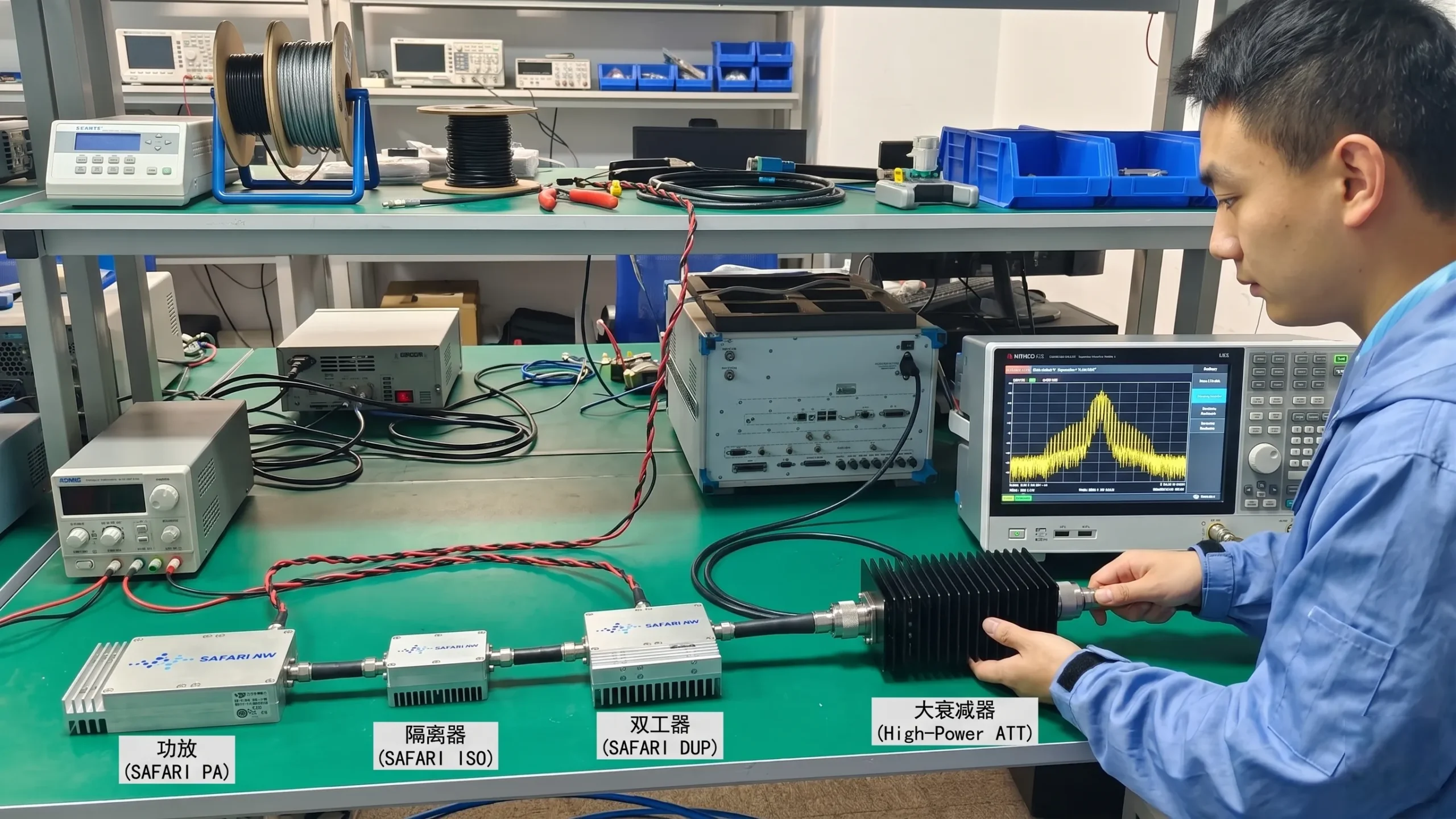
Theory is one thing, but a real-world failure drives the lesson home. I learned this the hard way during a high-power test that went wrong. Let me walk you through a costly mistake that could have been easily avoided, and how it changed my approach to system design forever.
What Happens When a Power Amplifier Faces High Mismatch Without an Isolator?
Confidently running a high-power test, you suddenly hear a pop. Your amplifier is gone. This frustrating failure happens because reflected power has nowhere safe to go.
When an amplifier faces a high mismatch without an isolator, reflected power travels back into its output. This creates standing waves, causing extreme voltage and current levels that can destroy the amplifier’s output transistors2, leading to immediate and permanent damage.
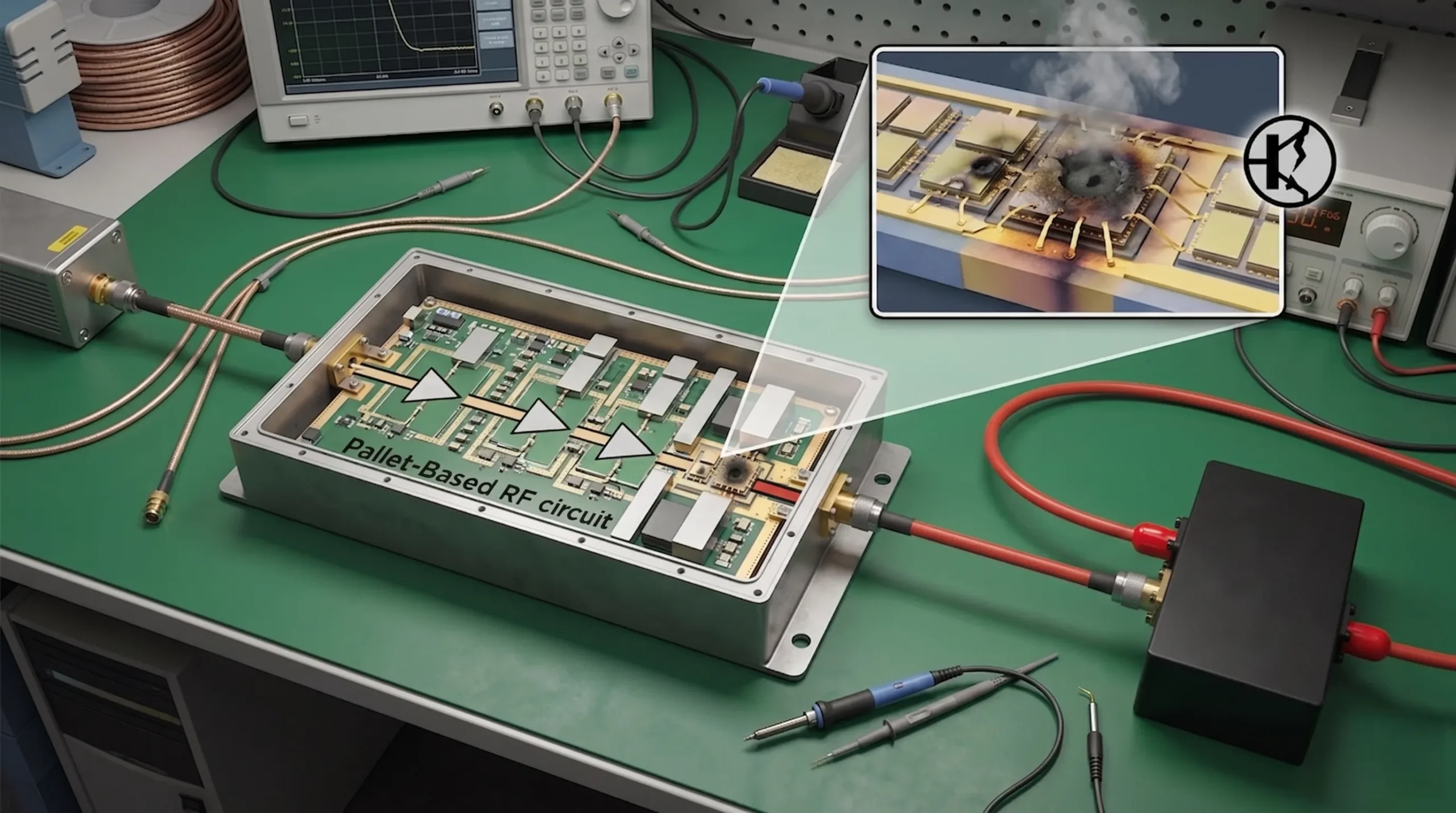
I learned this lesson firsthand in a way I'll never forget. I was tasked with a seemingly routine job: testing a new duplexer's3 power handling capability4 at 120W. My test setup was built around a powerful 150W saturated power amplifier with 40dB of gain. I double-checked my calculations, carefully set the signal generator's output level, and with confidence, I pressed the "RF On" button. For a few seconds, everything seemed fine. Then, a faint click, and silence. The output power on my meter dropped to zero. The amplifier was dead. The problem wasn't my setup or my calculations. It was the duplexer. It had a terrible port match, which created an extremely high Voltage Standing Wave Ratio5 (VSWR). All that reflected power had only one place to go: straight back into the output of my very expensive amplifier.
My Costly Duplexer Test
The energy reflected from the duplexer's mismatched port traveled back into the amplifier's final transistor stage. This collision of forward and reflected waves created a standing wave. At certain points along the transmission line, the voltage peaks of this standing wave became much higher than the amplifier was designed to handle. The output transistors were subjected to immense voltage stress, far beyond their breakdown limits. They failed instantly and catastrophically. It was a silent, expensive, and deeply frustrating lesson in the destructive physics of RF power.
| Paramètre | Value |
|---|---|
| Target Test Power | 120W |
| Amplifier P_sat | 150W |
| Amplifier Gain | 40dB |
| Device Under Test | RF Duplexer |
| Failure Cause | High VSWR from DUT |
How Does an Isolator Provide This Crucial Protection?
Worried that an unknown load could destroy your amplifier? This risk creates uncertainty in every test. An isolator acts as a one-way valve, providing guaranteed protection and peace of mind.
An isolator is a three-port ferrite device. It allows signals to pass from input (Port 1) to output (Port 2) with minimal loss. However, any signal reflected back into Port 2 is redirected to a terminated Port 3, where it's safely absorbed as heat.
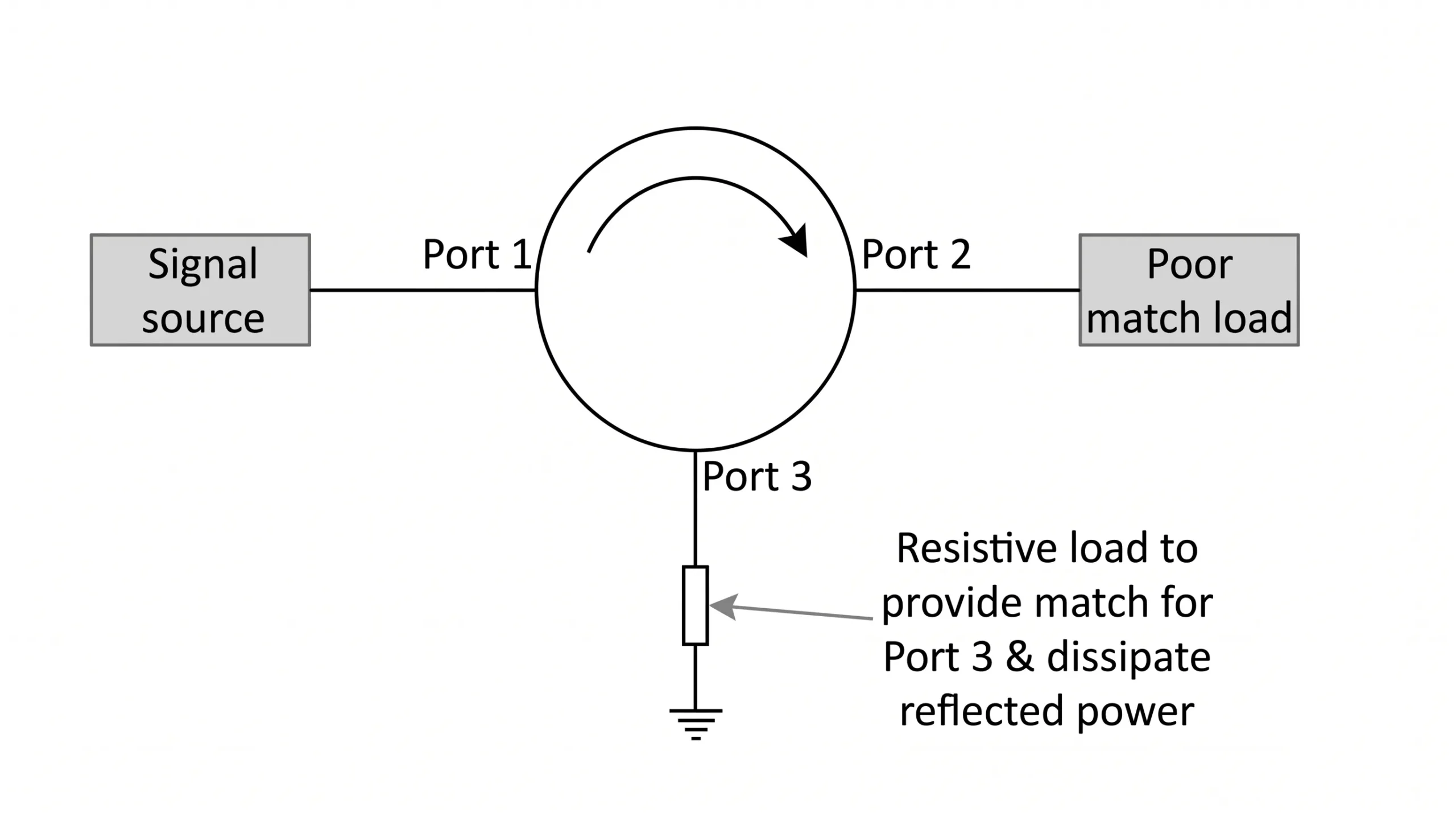
After that disastrous amplifier failure, my priority was finding a foolproof way to prevent it from ever happening again. The solution was remarkably simple and effective: an RF isolator. I acquired an isolator rated for the correct frequency and power level and inserted it directly between the amplifier's output and the input of the device under test (DUT). The transformation in my test setup's robustness was immediate. To prove the concept, I connected another poorly matched device. I enabled the amplifier, slowly ramping up the power while watching my instruments nervously. This time, absolutely nothing went wrong. The amplifier remained stable, and the reflected power was safely shunted away. The isolator performed its duty perfectly, acting as a dedicated bodyguard for my amplifier by absorbing the dangerous reflected energy.
The Post-Mortem and the Simple Fix
This single component changed my entire testing philosophy. I no longer had to worry about the input match of the DUT. The isolator provided a constant, stable 50-ohm load for the amplifier, regardless of what was connected downstream. This simple addition transformed my test bench from a fragile, high-risk setup into a resilient and reliable workhorse. It's no exaggeration to say that introducing an isolator increases your system's safety by over 80%. It effectively neutralizes the single greatest threat to a high-power amplifier.
| Setup Configuration | Risk of Amplifier Damage | System Robustness |
|---|---|---|
| cURL Too many subrequests by single Worker invocation. To configure this limit, refer to https://developers.cloudflare.com/workers/wrangler/configuration/#limits | Élevé | Faible |
| cURL Too many subrequests by single Worker invocation. To configure this limit, refer to https://developers.cloudflare.com/workers/wrangler/configuration/#limits | cURL Too many subrequests by single Worker invocation. To configure this limit, refer to https://developers.cloudflare.com/workers/wrangler/configuration/#limits | Élevé |
What Key Specifications Should You Look for in an RF Isolator?
cURL Too many subrequests by single Worker invocation. To configure this limit, refer to https://developers.cloudflare.com/workers/wrangler/configuration/#limits.
cURL Too many subrequests by single Worker invocation. To configure this limit, refer to https://developers.cloudflare.com/workers/wrangler/configuration/#limits cURL Too many subrequests by single Worker invocation. To configure this limit, refer to https://developers.cloudflare.com/workers/wrangler/configuration/#limits6, cURL Too many subrequests by single Worker invocation. To configure this limit, refer to https://developers.cloudflare.com/workers/wrangler/configuration/#limits, cURL Too many subrequests by single Worker invocation. To configure this limit, refer to https://developers.cloudflare.com/workers/wrangler/configuration/#limits7, et cURL Too many subrequests by single Worker invocation. To configure this limit, refer to https://developers.cloudflare.com/workers/wrangler/configuration/#limits8. cURL Too many subrequests by single Worker invocation. To configure this limit, refer to https://developers.cloudflare.com/workers/wrangler/configuration/#limits.
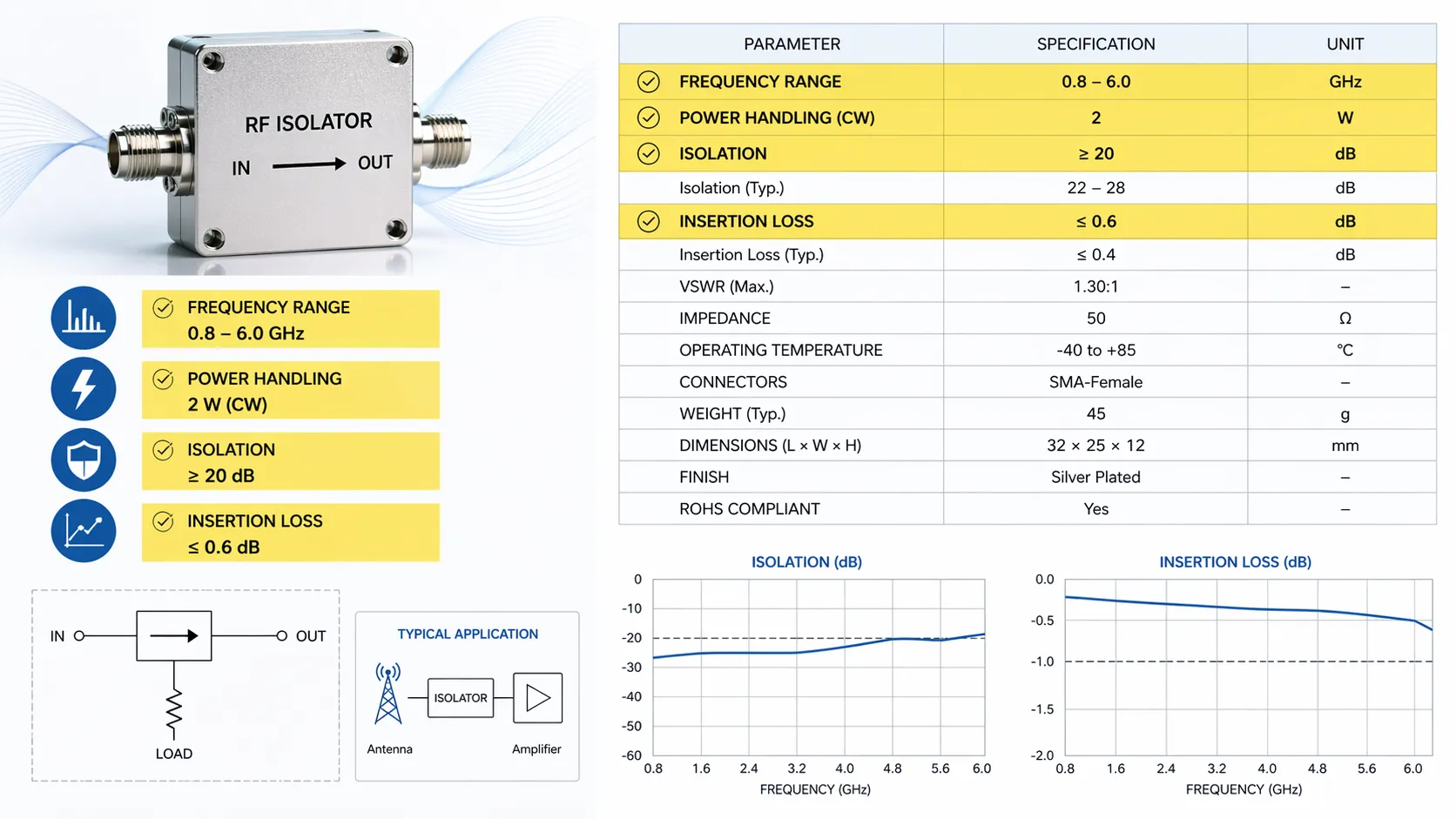
cURL Too many subrequests by single Worker invocation. To configure this limit, refer to https://developers.cloudflare.com/workers/wrangler/configuration/#limits.
cURL Too many subrequests by single Worker invocation. To configure this limit, refer to https://developers.cloudflare.com/workers/wrangler/configuration/#limits
cURL Too many subrequests by single Worker invocation. To configure this limit, refer to https://developers.cloudflare.com/workers/wrangler/configuration/#limits.
| cURL Too many subrequests by single Worker invocation. To configure this limit, refer to https://developers.cloudflare.com/workers/wrangler/configuration/#limits | cURL Too many subrequests by single Worker invocation. To configure this limit, refer to https://developers.cloudflare.com/workers/wrangler/configuration/#limits | Pourquoi c'est important |
|---|---|---|
| Plage de fréquences | cURL Too many subrequests by single Worker invocation. To configure this limit, refer to https://developers.cloudflare.com/workers/wrangler/configuration/#limits. | cURL Too many subrequests by single Worker invocation. To configure this limit, refer to https://developers.cloudflare.com/workers/wrangler/configuration/#limits. |
| Gestion de la puissance | cURL Too many subrequests by single Worker invocation. To configure this limit, refer to https://developers.cloudflare.com/workers/wrangler/configuration/#limits. | cURL Too many subrequests by single Worker invocation. To configure this limit, refer to https://developers.cloudflare.com/workers/wrangler/configuration/#limits. |
| Isolation (dB) | cURL Too many subrequests by single Worker invocation. To configure this limit, refer to https://developers.cloudflare.com/workers/wrangler/configuration/#limits. | cURL Too many subrequests by single Worker invocation. To configure this limit, refer to https://developers.cloudflare.com/workers/wrangler/configuration/#limits. |
| Perte d'insertion (dB) | The amount of power lost as the signal travels in the forward direction (from Port 1 to Port 2). | Lower is better. A 0.5 dB loss means about 11% of your amplifier's power is lost as heat in the isolator before it even reaches your load. |
Conclusion
Don't learn the hard way like I did. An RF isolator is not an accessory; it's essential insurance. It protects your power amplifier and ensures your system's reliability.
Understanding reflected power is essential for anyone involved in RF design and testing to prevent equipment damage. ↩
Learning about output transistors can help you understand their role and importance in amplifier design. ↩
Understanding duplexers is vital for anyone working with RF communication systems and their performance. ↩
Knowing how to assess power handling capability is crucial for ensuring the reliability of RF systems. ↩
VSWR is a key concept in RF engineering; understanding it can enhance your system's efficiency. ↩
Choosing the correct frequency range is essential for ensuring the effectiveness of RF isolators. ↩
Exploring isolation can help you understand how it protects amplifiers from reflected signals. ↩
Understanding insertion loss is key to optimizing signal integrity in RF applications. ↩

 French (Belgium)
  English
  Spanish (Spain)
  Arabic
  French (France)
  Vietnamese
  Indonesian
  Belarusian
  Moroccan Arabic
  Tibetan
  Danish
  Bulgarian
  Bosnian
  Catalan
  Frisian
  Japanese
  Bashkir
  Cebuano
  Estonian
  Hindi
Hindi  Kurdish
  Tahitian
  Spanish (Colombia)
  Croatian
  Breton
  Georgian