
Struggling with receiver performance despite advanced processing? Your system's bottleneck might be hiding in the often-overlooked RF stage1, limiting your overall potential and final results.
འདི་ནི་ལོ་རྒྱལ་ཁབ་ནས་སྤྱིར་བཏང་བྱེད་པ་ལས་བྱུང་མི་ཚེས་ལས་སྤྱིར་བཏང་བྱེད་པ་ལས་བྱུང་མི་ཚེས་ལས་སྤྱིར་བཏང་བྱེད་པ་ལས་བྱུང་མི་ཚེས་ལས་སྤྱིར་བཏང་བྱེད་པ་ལས་བྱུང་མི་ཚེས་ལས་སྤྱིར་བཏང་བྱེད་པ་ལས་བྱུང་མི་ཚེས་ལས་སྤྱིར་བཏང་བྱེད་པ་ལས་བྱུང་མི་ཚེས་ལས་སྤྱིར་བཏང་བྱེད་པ་ལས་བྱུང་མི་ཚེས་ལས་སྤྱིར་བཏང་བྱེད་པ་ལས་བྱུང་མི་ཚེས་ལས་སྤྱིར་བཏང་བྱེད་པ་ལས་བྱུང་མི་ཚེས་ལས་སྤྱིར་བཏང་བྱེད་པ་ལས་བྱུང་མི་ཚེས་ལས་སྤྱིར་བཏང་བྱེད་པ་ལས་བྱུང་མི་ཚེས་ལས་སྤྱིར་བཏང་བྱེད་པ་ལས་བྱུང་མི་ཚེས་ལས་སྤྱིར་བཏང་བྱེད་པ་ལས་བྱུང་མི་ཚེས་ལས་སྤྱིར་བཏང་བྱེད་པ་ལས་བྱུང་མི་ཚེས་ལས་སྤྱིར་བཏང་བྱེད་པ་ལས་བྱུང་མི་ཚེས་ལས་སྤྱིར་བཏང་བྱེད་པ་ལས་བྱུང་མི་ཚེས་ལས་སྤྱིར་བཏང་བྱེད་པ་ལས་བྱུང་མི་ཚེས་ལས་སྤྱིར་བཏང་བྱེད་པ་ལས་བྱུང་མི་ཚེས་ལས་སྤྱིར་བཏང་བྱེད་པ་ལས་བྱུང་མི་ཚེས་ལས་སྤྱིར་བཏང་བྱ RF stage1 selects the desired radio frequency signal from the antenna, amplifies it to a usable level, and filters out unwanted noise and interference. This initial processing is crucial for determining the overall sensitivity and quality of the entire receiver system.
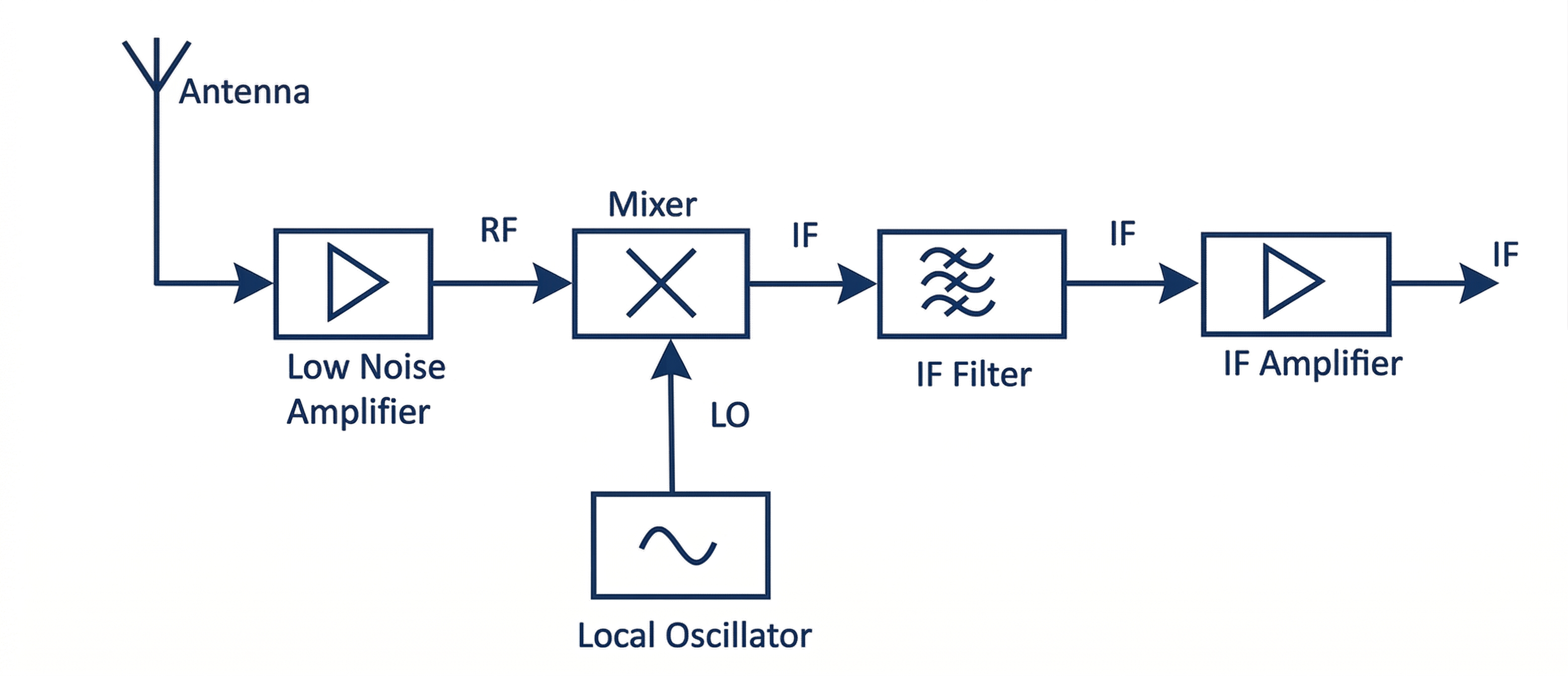
I once saw this firsthand. We were working on a complex radar system, and my colleague, a brilliant PhD from MIT, was pushing the limits of baseband processing2. He introduced AI and GPU parallel processing, but we still couldn't hit our performance targets. The pressure was immense. It felt like we were missing something obvious, but we couldn't see it. This experience taught me a lesson I'll never forget about where the real performance gains are often found. It all comes down to understanding every link in the chain.
Why is the Low Noise Amplifier (LNA) the most critical part of the RF stage?
Are weak signals getting lost in system noise? A poor LNA adds noise at the very first step, making signal recovery3 nearly impossible later on, no matter how good your processing is.
The LNA is the first active component to handle the weak signal from the antenna. Its primary job is to amplify the signal while adding the absolute minimum amount of its own noise. A low cURL Too many subrequests by single Worker invocation. To configure this limit, refer to https://developers.cloudflare.com/workers/wrangler/configuration/#limits4 is paramount for receiver sensitivity5.
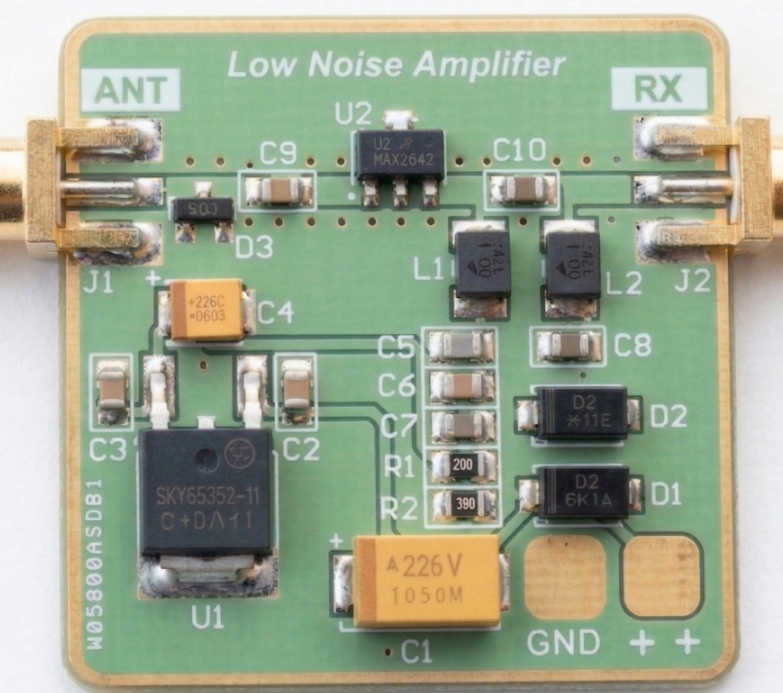
In any receiver chain, the noise performance of the very first amplifier has the biggest impact on the entire system. This isn't just a rule of thumb; it's a fundamental principle of RF engineering described by the Friis formula for noise. The noise added by the first component, the LNA, gets amplified by every subsequent stage. In contrast, the noise from later components has a much smaller effect on the overall signal quality.
This is exactly what we faced on that radar project. My colleague was trying to use complex algorithms to find a faint signal in a sea of noise. But the LNA we were using had an average noise figure. The signal was already compromised before it even reached his advanced digital processors. We swapped it out for a high-performance LNA, and the difference was immediate.
The Impact of LNA Noise Figure
A lower LNA noise figure directly translates to a better system signal-to-noise ratio (SNR)6.
| ལས་སྤྱོད་ནས་སྤྱོད་ལམ་གཅིག་བཟོ་བའི་སྤྱོད་ལམ། | Standard LNA | Safari Microwave LNA |
|---|---|---|
| cURL Too many subrequests by single Worker invocation. To configure this limit, refer to https://developers.cloudflare.com/workers/wrangler/configuration/#limits | 2.5 dB | 1.2 dB |
| མངའ་མཐར | 20 dB | 20 dB |
| Input Signal | -90 dBm | -90 dBm |
| System NF (approx.) | ~2.6 dB | ~1.3 dB |
| Output SNR | Degraded | Significantly Improved |
Our ultra-low noise amplifiers, with noise figures down to 0.5 dB up to 110 GHz, are designed specifically for these situations. They ensure the signal's integrity right from the start.
How do filters improve receiver performance in the RF stage?
Is your receiver overwhelmed by strong, nearby signals? Without proper filtering, unwanted interference can saturate your system, completely masking the signal you actually want to receive.
cURL Too many subrequests by single Worker invocation. To configure this limit, refer to https://developers.cloudflare.com/workers/wrangler/configuration/#limits RF stage1 cURL Too many subrequests by single Worker invocation. To configure this limit, refer to https://developers.cloudflare.com/workers/wrangler/configuration/#limits.
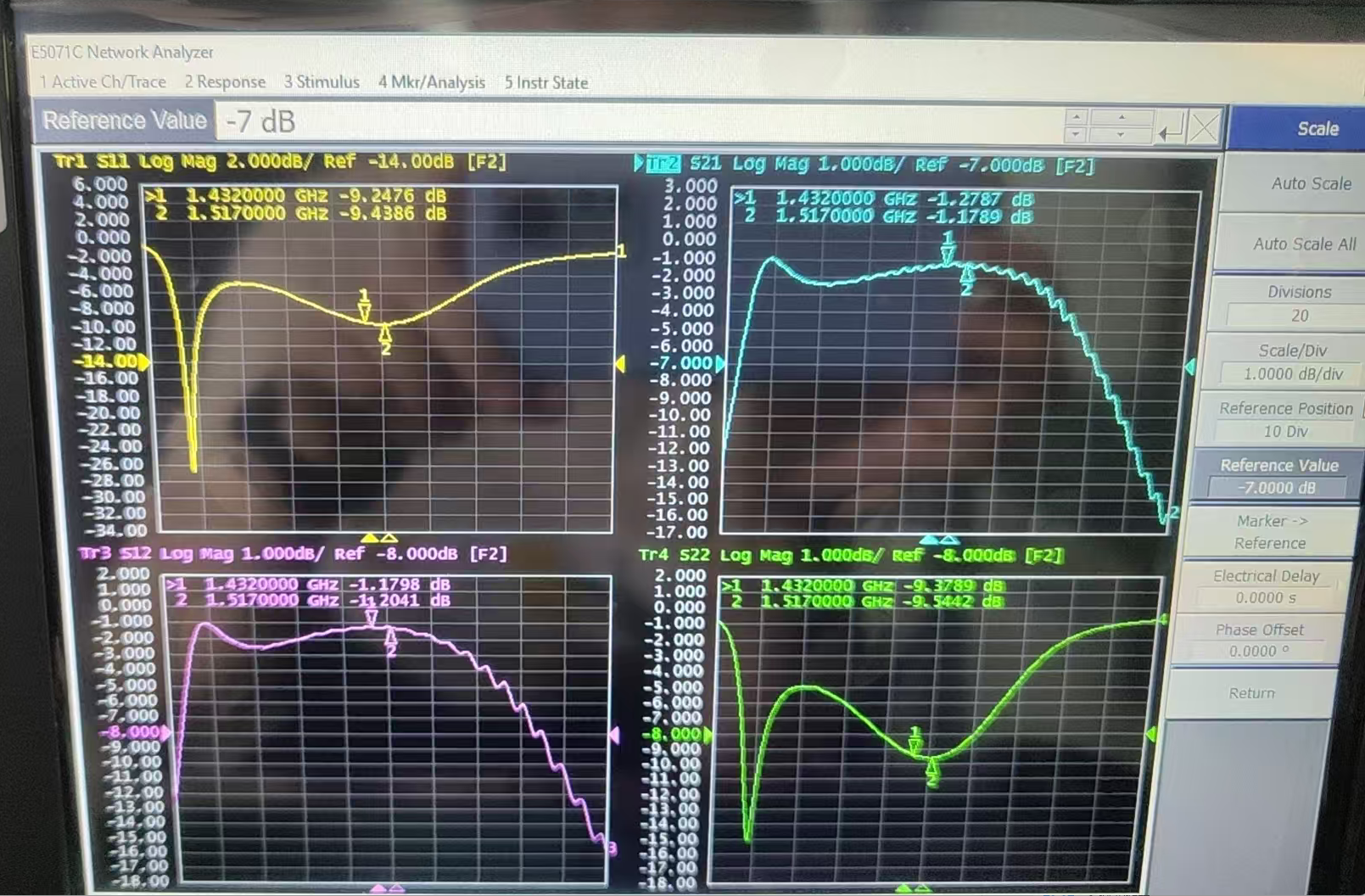
cURL Too many subrequests by single Worker invocation. To configure this limit, refer to https://developers.cloudflare.com/workers/wrangler/configuration/#limits.
cURL Too many subrequests by single Worker invocation. To configure this limit, refer to https://developers.cloudflare.com/workers/wrangler/configuration/#limits.
cURL Too many subrequests by single Worker invocation. To configure this limit, refer to https://developers.cloudflare.com/workers/wrangler/configuration/#limits
cURL Too many subrequests by single Worker invocation. To configure this limit, refer to https://developers.cloudflare.com/workers/wrangler/configuration/#limits.
| cURL Too many subrequests by single Worker invocation. To configure this limit, refer to https://developers.cloudflare.com/workers/wrangler/configuration/#limits | cURL Too many subrequests by single Worker invocation. To configure this limit, refer to https://developers.cloudflare.com/workers/wrangler/configuration/#limits | cURL Too many subrequests by single Worker invocation. To configure this limit, refer to https://developers.cloudflare.com/workers/wrangler/configuration/#limits |
|---|---|---|
| cURL Too many subrequests by single Worker invocation. To configure this limit, refer to https://developers.cloudflare.com/workers/wrangler/configuration/#limits | cURL Too many subrequests by single Worker invocation. To configure this limit, refer to https://developers.cloudflare.com/workers/wrangler/configuration/#limits | cURL Too many subrequests by single Worker invocation. To configure this limit, refer to https://developers.cloudflare.com/workers/wrangler/configuration/#limits |
| cURL Too many subrequests by single Worker invocation. To configure this limit, refer to https://developers.cloudflare.com/workers/wrangler/configuration/#limits | cURL Too many subrequests by single Worker invocation. To configure this limit, refer to https://developers.cloudflare.com/workers/wrangler/configuration/#limits | cURL Too many subrequests by single Worker invocation. To configure this limit, refer to https://developers.cloudflare.com/workers/wrangler/configuration/#limits |
| cURL Too many subrequests by single Worker invocation. To configure this limit, refer to https://developers.cloudflare.com/workers/wrangler/configuration/#limits | cURL Too many subrequests by single Worker invocation. To configure this limit, refer to https://developers.cloudflare.com/workers/wrangler/configuration/#limits | cURL Too many subrequests by single Worker invocation. To configure this limit, refer to https://developers.cloudflare.com/workers/wrangler/configuration/#limits |
| cURL Too many subrequests by single Worker invocation. To configure this limit, refer to https://developers.cloudflare.com/workers/wrangler/configuration/#limits | cURL Too many subrequests by single Worker invocation. To configure this limit, refer to https://developers.cloudflare.com/workers/wrangler/configuration/#limits | cURL Too many subrequests by single Worker invocation. To configure this limit, refer to https://developers.cloudflare.com/workers/wrangler/configuration/#limits |
cURL Too many subrequests by single Worker invocation. To configure this limit, refer to https://developers.cloudflare.com/workers/wrangler/configuration/#limits
cURL Too many subrequests by single Worker invocation. To configure this limit, refer to https://developers.cloudflare.com/workers/wrangler/configuration/#limits.
While advanced baseband processing2 is powerful, it cannot create information that was lost in the RF stage1. If the signal-to-noise ratio is too low or the signal is distorted from the start, no amount of digital filtering or AI can perfectly recover it.
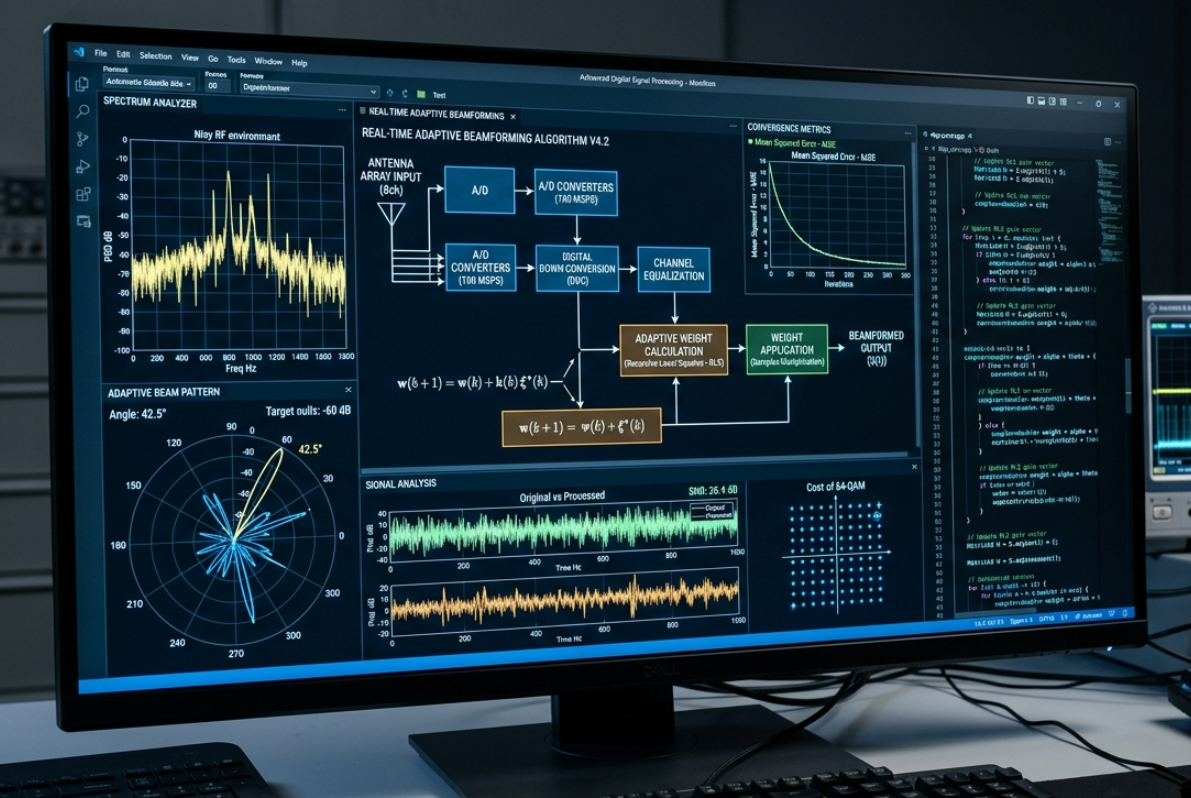
This is the most important lesson from my experience with the MIT PhD. His expertise was in the digital domain, using AI and massive processing power to work miracles with signals. He thought he could solve any problem there. But he was hitting a fundamental limit. His algorithms were trying to recover a signal that was already buried in noise and distortion by a mediocre RF front-end. It's the classic principle of "Garbage In, Garbage Out."
The Limits of Digital Correction
No matter how smart an algorithm is, it can only work with the data it receives from the Analog-to-Digital Converter (ADC). If the signal is already corrupted, the algorithm's job changes from signal detection to a much harder noise-reduction problem. It might improve things slightly, but it can never restore the original, lost signal quality. It ends up guessing, which introduces errors.
A Partnership, Not a Replacement
The best approach is to view the RF stage1 and the baseband processor as partners. A high-quality RF stage delivers a clean, strong signal to the ADC. This frees up the baseband processor to do what it does best: demodulate data, track targets, and perform complex analysis. It doesn't have to waste cycles trying to clean up a mess. By optimizing the LNA and filters in our radar, we gave my colleague’s brilliant algorithms a high-quality signal to work with. That small change in the "mature" RF stage unlocked the full potential of his advanced baseband system. He could finally breathe a sigh of relief.
མཇུག་སྡོམ།
A high-performance receiver7starts with a high-quality RF stage. Optimizing your front-end is the most effective way to achieve superior overall system performance and avoid unnecessary complications later.
Understanding the RF stage is crucial for optimizing receiver performance and addressing potential bottlenecks. ↩
Explore how baseband processing complements RF stages for optimal signal handling. ↩
Understanding these challenges can help you design more robust communication systems. ↩
Learn how NF impacts signal integrity and why it’s vital for effective RF design. ↩
Understanding these factors can help you improve the overall performance of your receivers. ↩
Understanding SNR is key to improving communication clarity and system efficiency. ↩
Explore the characteristics of high-performance receivers to enhance your designs. ↩

 Tibetan
  English
  Spanish (Spain)
  Arabic
  French (France)
  Vietnamese
  Indonesian
  Belarusian
  Moroccan Arabic
  Danish
  Bulgarian
  Bosnian
  Catalan
  Frisian
  Japanese
  Bashkir
  Cebuano
  French (Belgium)
  Estonian
  Hindi
Hindi  Kurdish
  Tahitian
  Spanish (Colombia)
  Croatian
  Breton
  Georgian